
SCI FI EYE
For two years I wrote a science fiction column for the UK’s Engineer magazine. The column, “SciFi Eye”, was part of a new look for the mag, and saw me speculate on how recent engineering news might inspire science fiction.
I worked at an engineering institution at the time, where I developed a great respect for all things engineer (A structural engineer advised me on the super structure in my second novel, Steeple). Engineers have always, it seems to me, been the ones to make science fiction reality.
It was an absolute pleasure to write – the comments were always a hoot. Below are the complete range of columns.
-
Manipulating the weather creates perfect conditions for scifi
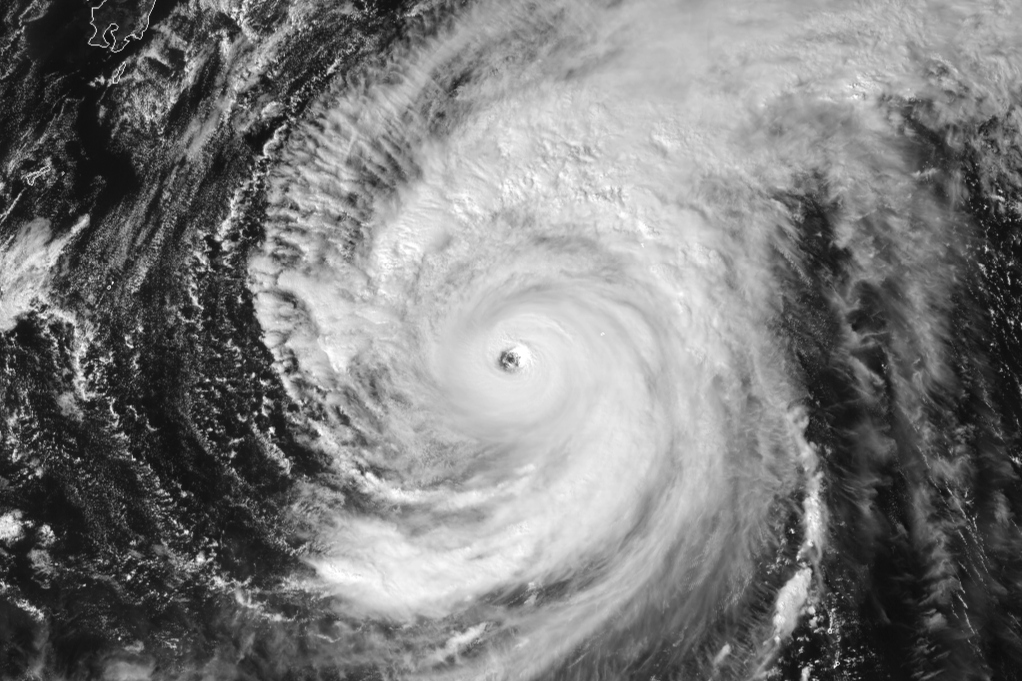
Many of our earliest stories were shaped by the weather, as the struggle for survival was decided in significant part by the success or failure of crops. It’s easy to see how, helpless before nature’s fickle distribution of light and rain, early minds thought weather the work of cruel gods, drought and famine manifestations of…
-
Trains in SciFi: transport through war, revolution and time
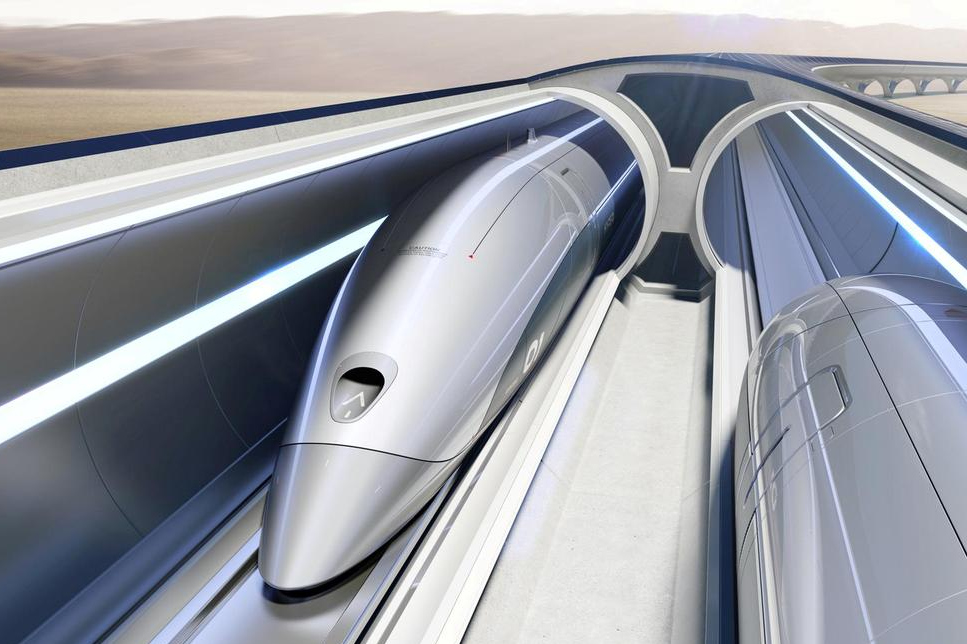
For an invention getting on for 200 years old, rail transport has a remarkable durability as a badge of prestige among nations. China, France, Japan, Spain and Turkey are proud of their glimmering high-speed infrastructure, while nations such as India, Morocco and Saudi Arabia are all striving to join the bullet train club. Even in…
-
How money in SciFi helps sell motives, characters and worlds

Money is a simple method by which scifi writers establish the world of their stories. Our dependence on and hunger for currency has helped define human history since around 700BC. We can hardly imagine society without it, and so naturally it plays a crucial role in story, as corrupting motive or hunted treasure. Crucially, creating…
-
The distrubing future of autonomous weapons
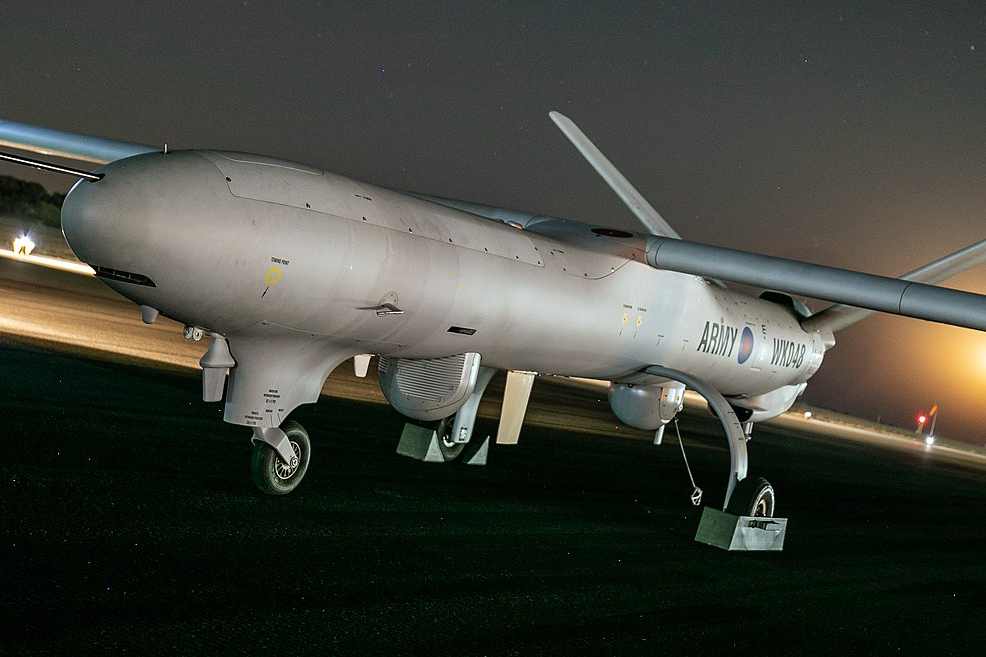
What exactly is it that we find so unnerving about the proliferation of autonomous weapon systems? Reporting on the 2017 International Joint Conference on Artificial Intelligence, The Engineer quotes one robotics developer’s fears that “unlike other potential manifestations of AI [that] remain the realm of science fiction, autonomous weapons systems… have a real potential to…
-
The humbling of the world’s great navies

Ever since HG Wells’ The War of the Worlds, in which HMS Thunderchild engages Martian tripods off the Essex coast, the world’s navies have fired the imaginations of science fiction writers. Perhaps this is no great surprise. The ocean dramas played out in human history, from Actium to Lepanto, from Jutland to Midway, offer tales…
-
The enormous threat of the asteroid
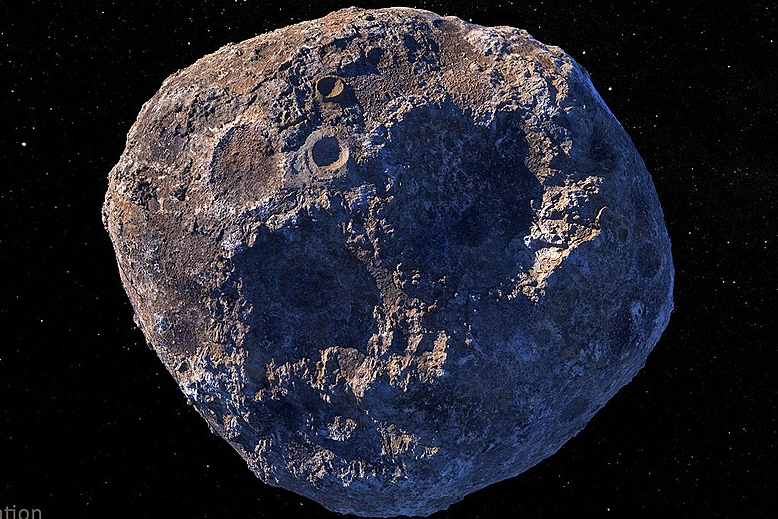
Perhaps more than any other apocalyptic scenario, the asteroid strike holds the potential to expose humanity’s hard-won evolutionary supremacy as little more than a brief spark in an unimaginably vast darkness. The more we learn about asteroids (or ‘near-Earth objects’) the more we realise how helpless we are before them, and how blind we are…
-
Tunnels are portals to future worlds

To the 21st century citizen, the tunnel is one of those engineering accomplishments that’s easily taken for granted, or barely noticed at all – unless it is as a source of disgruntlement. The British love to complain about their tunnels, either as frustrated commuters trapped in Dartford and Blackwall traffic, or as opponents to new…
-
Implants and the ‘transhuman’ in science fiction

Last month, The Engineer reported on progress towards bionic eye implants. An array of silicon nanowires arranged in an electrode grid, implanted behind the retina and linked to a wireless device, has potential to restore sight. Once again engineering news astounds and delights – the scifi eye given life.Technological implants play a solid role in…
-
Robot tales: breaking and cherishing our programming
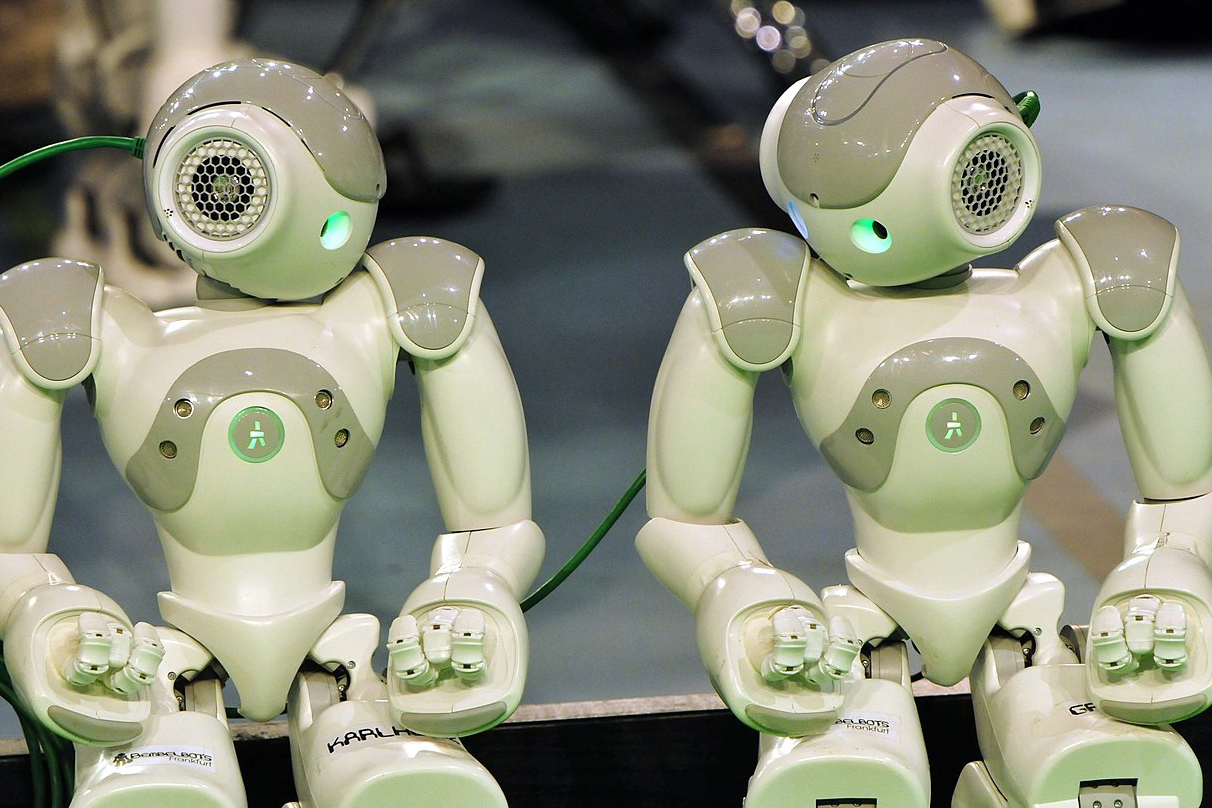
There’s nothing quite like a robot to help spin a good story. Automatons offer scifi scribblers an opportunity to create our own Frankenstein tales: of cursed human genius and overleaping ambition, and of the creatures themselves, holding up a mirror to their creator’s imperfections. Some of our most enduring 20th century science fiction characters are…
-
Flying cars: Expect queues at your showroom
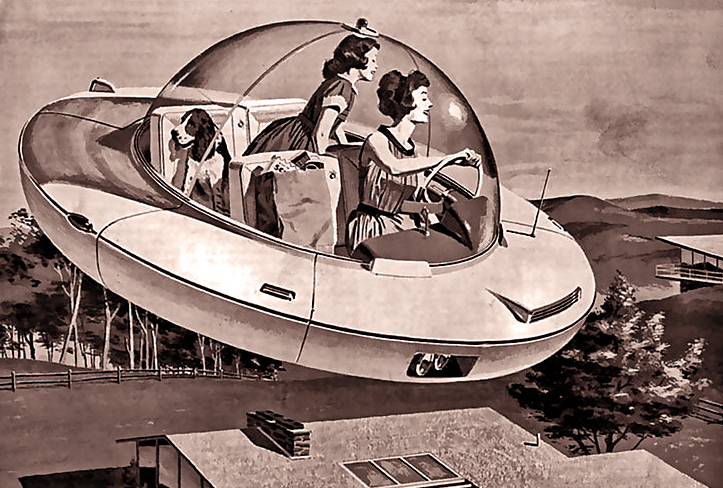
For decades the idea of the flying car has helped shape our vision of the future, every bit as much as the robot and the rocket ship. For Popular Science enthusiasts of the 1940s, 1950s and 1960s, the air car would be the inevitable culmination of aeronautical and automotive engineering. Even Henry Ford said flying…
-
Mars: the mythic arena

One might have expected the science fiction fan to have given up on Mars by now. To the Moon-shot optimists of the 1960s its colonisation seemed moments away; its surface would be littered with the structures of the civilisation promised by 19th century science: Lowell’s canal builders and Tesla’s radio hams. The Moon’s conquest would…
-
The super soldier of the future
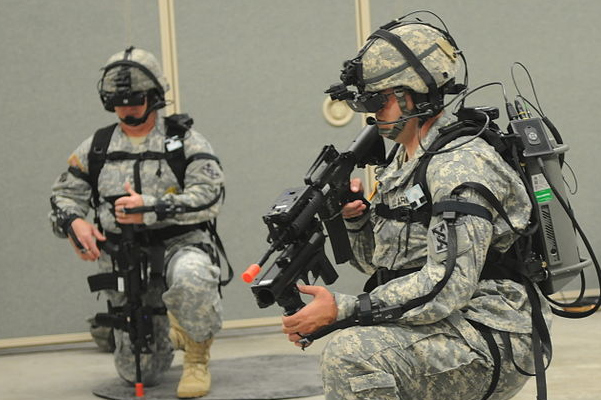
Super soldiers are not the easiest subject matter for the science fiction writer in search of heroes. Too many soldiers with too much technology inevitably wield too much power, and consequently fail to gain a reader’s sympathy. Overwhelming strength takes on an oppressive character in the imagination, and armies more often serve as antagonists, stormtroopers…
-
The shape of things to come – Mr HG Wells

Mr HG Wells, author of popular scientific romance The Time Machine, turns the pages of The Engineer for clues as to the shape of our future It is with trepidation that I approach my new commission: to consider the engineering marvels of the moment and speculate on their application in this approaching 20th century. The great…
-
Where are driverless cars taking us?
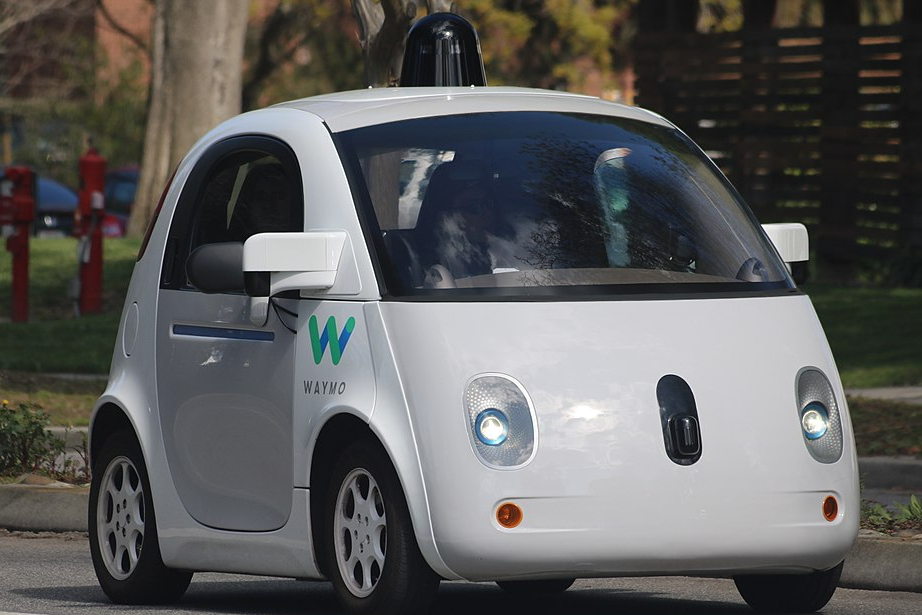
Since Mr Benz unveiled his patented motor-wagen, the car has helped define the way we imagine our future, as the most intimate expression of man’s relationship with engineering. Where bridges, dams and canals remain the boast of nations, automobiles are the boast of individuals. Where air and sea transport remain stubbornly mass transit (private ownership…
-
Something new under the sun
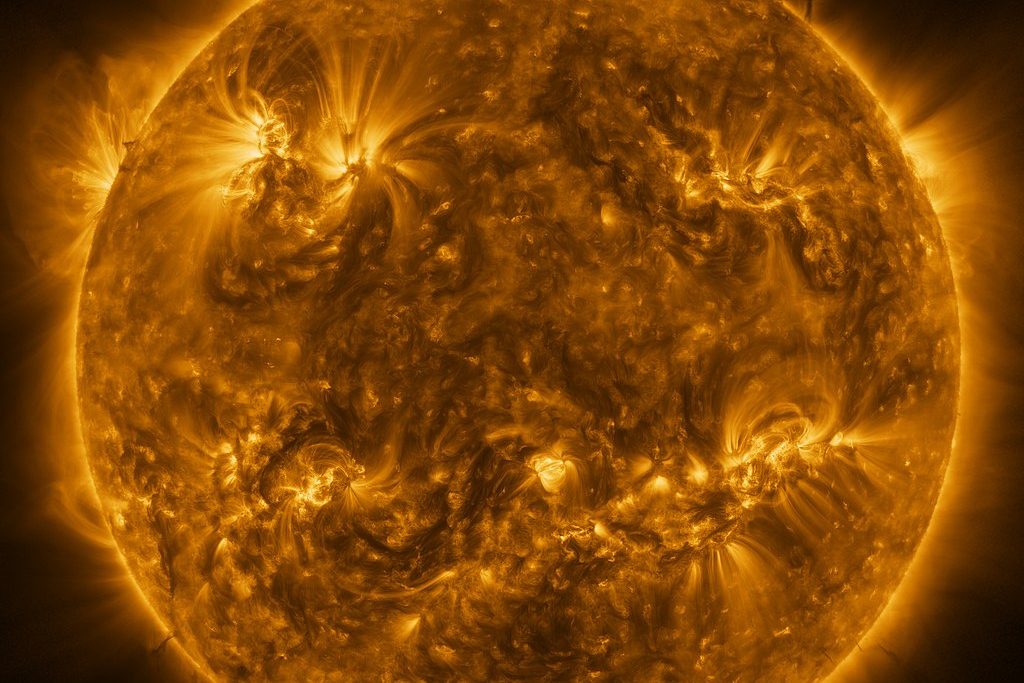
Our star suffers from a rather reduced role in science fiction. Strange, when it was the centre of entire cultures’ foundation tales – the original fantasy fiction – whether as the eye of Ra, as a luminous disc pulled by Helios’ chariot, or as Tonatiuh, bloodthirsty deity of the Aztecs. Sol enjoyed a prized status…
-
The nanotech swarm
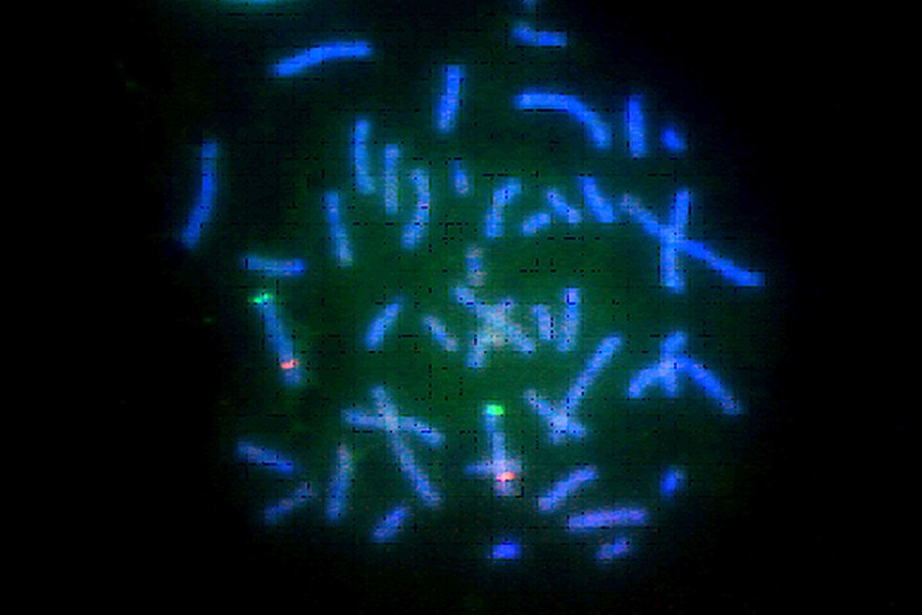
Legions of microscopic robots fascinate scifi writers, from Star Trek’s Borg nanoprobes to the power-outage swarm of Revolution. In each case nanotech is a tyrant, reducing people to little more than slavery – to a soulless, technological ‘hive mind’ in the first; to a brutal, pre-electric dictatorship in the second. Our primitive understanding of microbiology…
-
Bacteria: making the most of the microbes in SciFi
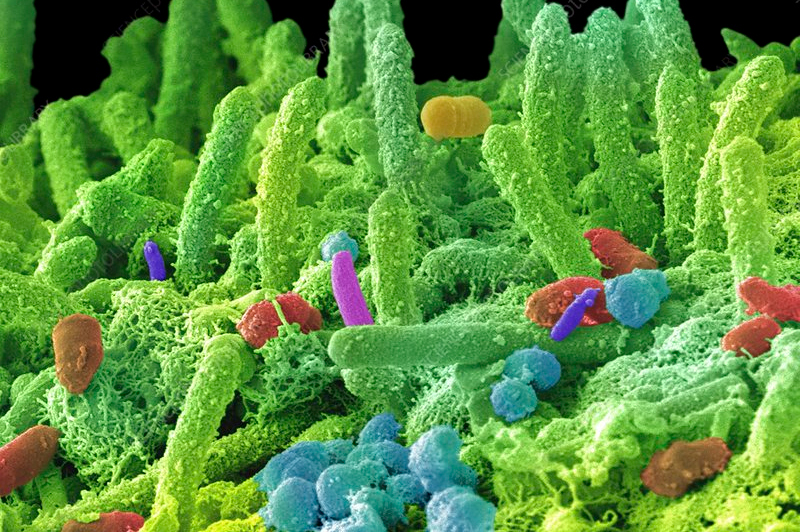
Ah, microorganisms. Is there anything they can’t do? Microbiological agents such as viruses and bacteria have become a popular tool for writers seeking to destroy civilisation. The ‘Outbreak’ scenario allows us to strip our characters of law and order’s protections, placing them in exciting future frontiers. We normally follow a plucky group of survivors picking…
-
Picturing a future of human invisibility

Last month The Engineer featured news about that enduring love of science fiction writers, invisibility. Engineers from Iowa State University, it reports, have developed a stretchable polymer material formed of rows of split ring resonators, embedded inside layers of silicone sheets. Together they create surfaces that trap and suppress radar waves. Researchers claim the technology…
-
Robotic limbs: the future in our grasp
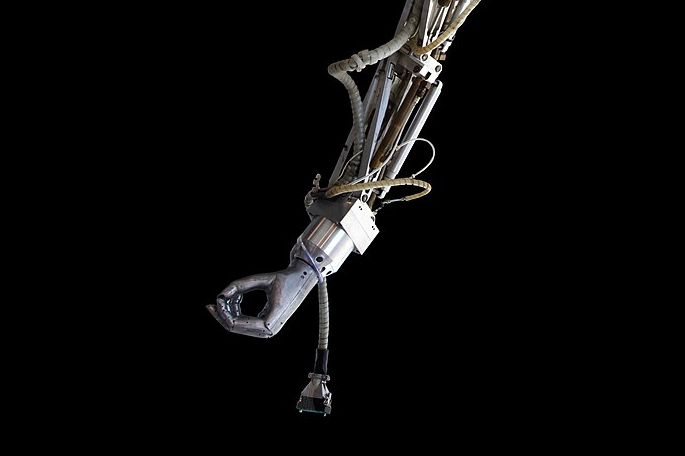
This month, The Engineer reported on A-Gear, robotic arm supports developed by researchers at The University of Twente as aids for those affected by Duchenne muscular dystrophy. The active support is designed to amplify residual function in the arm, restoring a measure of independence to its users. This noble effort is one of many exoskeleton…
-
Bugs and SciFi: Imagining the new beetlemania

Insects can get something of a bad rap in science fiction. From the ‘monstrous vermin’ body shock of Metamorphosis and The Fly to the giant armies of Them! and Starship Troopers, bugs are often deployed by authors to play on our primal fears – of twitching larvae, pupating transformation and alien growth. Of a swarming,…
-
‘Smart Dressings’: All dressed up and nowhere to go

For many science fiction writers the human form, and man’s attempt to alter or augment it, offers a rich seam of stories. We like to ask: how far do skin and bone define our humanity? Living beyond corporeal concerns of sex, age, pain and emotion, what will be left of us, and what else might…
-
New engineering column coming in 2016!
Delighted to announce that from 2016 I’ll be contributing a science fiction column to The Engineer magazine, which has been reporting on engineering innovation since 1856. The column is part of a new look for the mag, and will see me speculate on how the last month’s engineering news might plant the seed of a cracking scifi story. I…